
Get Healthy!
- Posted April 7, 2026
Danger at Home: Cleaning Products Are Harming Kids
Detergent pods continue to be hazardous for young children.
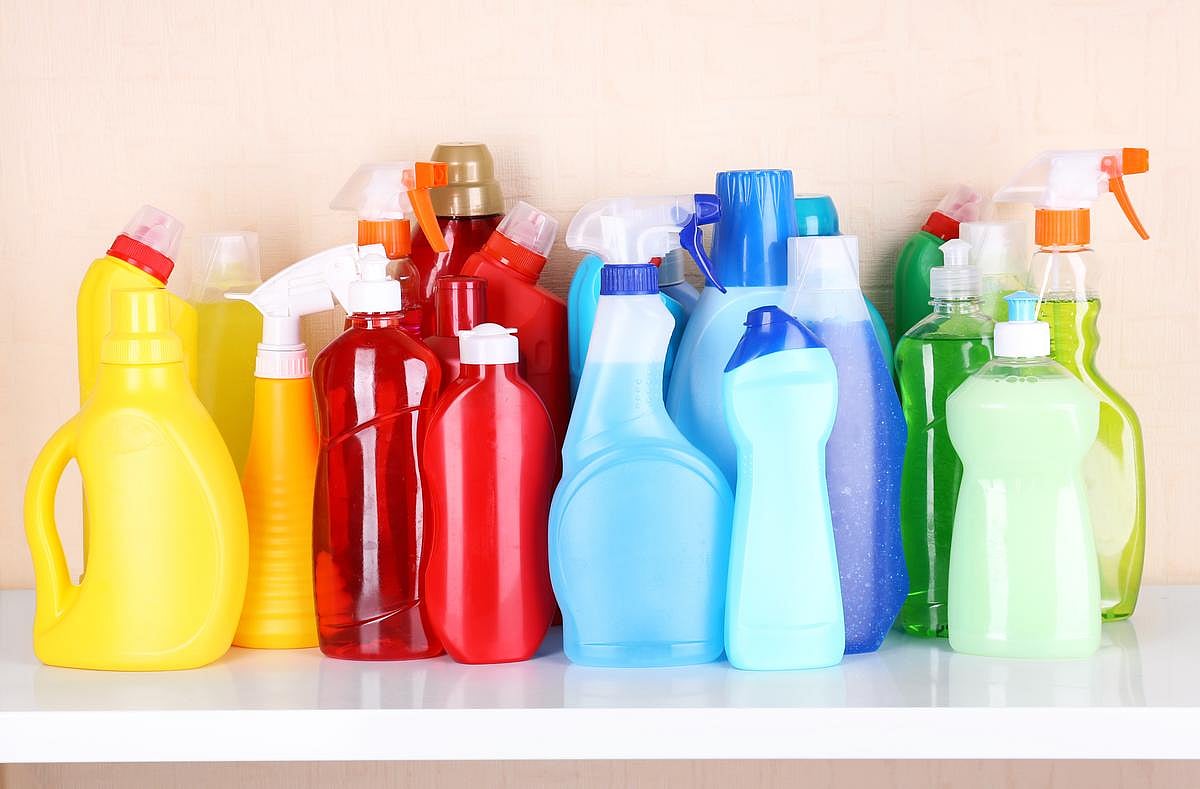
Hundreds of thousands of American babies, toddlers and preschoolers have wound up in an ER for problems owing to household cleaning products, a new study says.
An estimated 240,800 children 5 and younger visited emergency rooms between 2007 and 2022 after being injured or poisoned by a cleaning product, researchers report in the journal Pediatrics.
That’s one injury every 35 minutes, researchers said.
Bleach and detergents were the most common product types associated with these injuries, the study found.
Detergent packets and pods for washing machines and dishwashers accounted for one-third (33%) of injuries, researchers found. They can cause burns to the skin and eyes, as well as the hazards associated with ingestion.
Children ages 1 to 2 were at highest risk for cleaning product-related injuries, according to the study.
“Young children explore their world by putting things in their mouth, but they can’t read labels or recognize the potential danger of these products,” lead investigator Rebecca McAdams said in a news release. She’s chief research associate at the Center for Injury Research and Policy at Nationwide Children’s Hospital in Columbus, Ohio.
For the new study, researchers analyzed 16 years of data kept by the U.S. Consumer Product Safety Commission.
They found the rate of injuries associated with detergent pods and packets increased rapidly after their introduction in 2012, peaked in 2015 and then declined through 2022.
“The post-2015 decline may be due to the implementation of safety measures, including child-resistant and opaque containers and delayed-dissolving, bitter-tasting packet films,” McAdams said.
“Although the rate of injuries associated with packets decreased, they remained the leading cause of overall detergent injury rates in 2022,” McAdams added.
Spray bottles are another source of concern, accounting for 28% of injuries, researchers said. Most injuries occurred to children’s eyes, resulting in chemical burns and poisoning.
Nearly a quarter of the injuries occurred when another person sprayed the child with the product, researchers found.
In response to the study, the American Cleaning Institute issued a release arguing that “manufacturers have continued to strengthen packaging, labeling and consumer education – particularly for liquid laundry packets.”
The emergency room data in the study ended in 2022, “meaning the most recent information is now several years old,” the ACI said.
“ACI and its members have seen more recent data and real‑world experience showing sustained progress in reducing childhood exposures, driven by improved packaging designs, clearer warnings and ongoing public education efforts,” the release said. “These advancements are not fully reflected in the data analyzed in Pediatrics’ paper.”
For example, an analysis of data from the National Poison Data System performed of behalf of the ACI found that unintentional exposures to liquid laundry packets among children younger than 6 decreased by 12% between 2012 and 2024, the release said.
Both the researchers and the ACI recommend that parents store household cleaning products away from young children, preferably in a locked cabinet.
Cleaning products and detergents should be kept in their original containers, researchers said. For added protection, people can look for products that come in child-resistant packaging.
More information
The Cleveland Clinic has more on cleaning product safety.
SOURCES: Nationwide Children’s Hospital, news release, April 2, 2026; American Cleaning Institute, news release, April 3, 2026


